
Starting a business in Nigeria can be challenging when you have limited capital. Between rising food prices, transportation costs, and other expenses, saving enough money to start a business is not always easy. However, there are opportunities in agriculture that you can explore without owning a large farm or spending millions of naira.
Agriculture is not limited to planting crops on large plots of land or raising hundreds of chickens. You can also make money by growing vegetables in your backyard, selling seedlings, supplying farm produce to customers, or starting a small snail farm.
If you have ₦50,000 or less and want to enter the agricultural sector, several small-scale businesses are worth considering.
The key is to start with what you can afford, understand your local market, and avoid investing all your money before confirming that people are willing to buy your products.
Here are seven agricultural businesses you can consider starting in Nigeria with limited capital.
1. Backyard Vegetable Farming
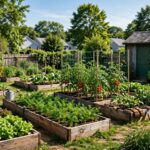
Vegetable farming is one of the agricultural businesses you can start in Nigeria without owning a large farm.
Many households, restaurants, food vendors, and market traders regularly buy fresh vegetables. Depending on your location, you could grow ugu (fluted pumpkin), waterleaf, okra, scent leaf, or other vegetables that people commonly use in their meals.
You do not necessarily need to rent farmland. If you have access to a backyard, a small garden, or suitable containers, you can begin on a modest scale.
How to start
First, choose vegetables that grow well in your area and have reliable local demand. Purchase seeds or suitable planting materials, prepare your growing space, and obtain the basic supplies you need.
You can use available buckets, sacks, or other suitable containers where growing conditions permit. However, make sure your plants receive enough sunlight, water, and nutrients.
With a budget of ₦50,000, you could allocate money to seeds, soil preparation, manure or fertilizer, watering equipment, and other basic supplies.
Your actual expenses will depend on whether you already have land, containers, and water available.
How do you make money?
You can sell harvested vegetables to neighbours, market traders, restaurants, and food vendors.
Starting with customers close to your home can help reduce transportation expenses and make it easier to deliver fresh produce.
Tip: Before planting, ask potential buyers which vegetables they need and how frequently they purchase them. This can help you avoid growing products that are difficult to sell.
2. Seedling Production and Sales

Another opportunity is raising seedlings for people who want to establish their own gardens or farms.
Some farmers prefer buying healthy, ready-to-transplant seedlings rather than starting crops directly from seeds. Home gardeners may also need seedlings but lack the time or knowledge to raise them.
You can serve these customers by producing and selling seedlings in small quantities.
Depending on local demand and your growing conditions, you could focus on vegetables such as tomatoes, peppers, ugu, and other suitable crops.
How to get started
You will need suitable seeds, growing media, containers or nursery trays, water, and a shaded area where young plants can develop properly.
Start with a few varieties instead of buying large quantities of seeds immediately.
Once you understand the growing process, you can expand your selection based on customer demand.
Where can you sell seedlings?
Consider approaching smallholder farmers, home gardeners, plant sellers, and people interested in growing their own vegetables.
You can also advertise through WhatsApp status and local community groups.
One advantage of this business is that you may not need much space to begin.
However, seedlings require proper care. Poor watering, pests, unsuitable growing conditions, and weak planting materials can result in losses.
3. Small-Scale Snail Farming

Snail farming is another agricultural business worth considering if you have limited space and want to build a livestock business gradually.
Edible snails are used in Nigerian cooking and can be sold to households, restaurants, food vendors, and market traders.
Unlike poultry farming, snail rearing does not require you to purchase large quantities of commercial feed every day. Depending on the species and feeding system, suitable leaves, fruits, and other plant materials can form part of their diet.
However, snails still need proper housing, moisture, suitable soil, calcium, protection from predators, and regular attention.
How to start with a small budget
Begin by researching suitable snail species and finding a reliable supplier of healthy breeding stock.
You can construct a simple, secure enclosure using suitable locally available materials, provided it protects the snails from predators, excessive heat, flooding, and escape.
Start with a manageable number of snails rather than spending your entire budget on breeding stock.
Your initial expenses may include the enclosure, snails, suitable soil, feeding materials, and basic maintenance supplies.
Whether ₦50,000 is sufficient will depend on the number of snails you purchase and the cost of constructing their housing in your area.
When will you make money?
Snail farming requires patience. Snails need time to grow to a marketable size, so this is not the best option if you need immediate income.
Before starting, speak with local snail farmers and potential buyers to understand the growth period, preferred sizes, and selling prices.
4. Buying and Reselling Farm Produce

You do not have to grow crops yourself to make money from agriculture.
Buying and reselling farm produce can be a practical option if you understand local markets and know where to find customers.
For example, you could purchase modest quantities of onions, pepper, tomatoes, beans, or other food products from farmers or wholesale markets and resell them to consumers, food vendors, or small retailers.
The business depends on buying at a price that allows you to cover transportation, handling, spoilage, and other expenses while leaving a reasonable profit.
How to start
Choose one or two products that sell regularly in your area.
Visit local markets to compare wholesale and retail prices. Find out how much customers are willing to pay and identify suppliers who can provide consistent quality.
You can start with small quantities rather than purchasing a large stock immediately.
For example, if you discover that nearby food vendors frequently need fresh pepper, you could arrange to supply them on agreed days.
This approach can help you understand demand before committing more money.
How to avoid losses
Perishable produce can spoil quickly, especially when storage conditions are poor.
Buy quantities you can reasonably sell within a short period. Keep your transport expenses low, inspect produce carefully, and record every purchase and sale.
Remember that sales revenue is not the same as profit. Calculate your expenses before deciding whether a product is worth selling.
5. Mushroom Cultivation
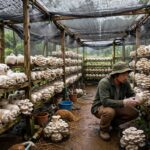
Mushroom cultivation is another business to investigate if you have a suitable growing space and access to training.
Mushrooms can be grown in controlled conditions using appropriate growing materials. However, successful production requires attention to cleanliness, temperature, moisture, ventilation, and contamination prevention.
You do not necessarily need conventional farmland, but you do need an environment suitable for the mushroom variety you intend to cultivate.
How to get started
Research mushroom varieties that can be cultivated successfully in your area.
Before purchasing supplies, learn how to prepare or obtain suitable growing substrates, manage growing conditions, and identify contamination.
If you are new to mushroom production, consider attending practical training or learning from an experienced grower.
With ₦50,000, a very small pilot operation may be possible if you can access an affordable growing space and reasonably priced materials. You should confirm local costs before investing.
Finding customers
Potential buyers include restaurants, food vendors, households, and retailers that sell fresh or processed mushrooms.
Speak with these buyers before production begins. Fresh mushrooms can have a limited shelf life, so knowing where you will sell your harvest is important.
Start small, assess your results, and expand only after you understand both production and demand.
6. Poultry Feed and Farm Supplies Reselling

You can participate in the agricultural sector by selling products that farmers need rather than raising animals yourself.
Small poultry farmers regularly purchase feed, feeders, drinkers, and other basic supplies. Depending on your local market, you may be able to start by reselling selected non-regulated farm supplies.
With limited capital, it is usually more practical to focus on a few products instead of trying to stock everything a farmer might need.
How to start
Speak with poultry farmers in your community and ask which supplies they purchase frequently.
Identify wholesalers, compare prices, and calculate whether you can resell selected products at a competitive price after accounting for transportation and other expenses.
You might begin by taking customer orders and purchasing products from a supplier when needed. This can reduce the amount of money tied up in unsold stock.
For feed, consider storage requirements, product expiry dates, and the risk of moisture damage.
How can you increase sales?
Build relationships with small poultry farms, backyard chicken keepers, and new poultry entrepreneurs.
Provide accurate product information, charge reasonable prices, and maintain reliable delivery arrangements.
Your reputation matters because customers are more likely to return when they can depend on you.
7. Agricultural Produce Processing and Packaging
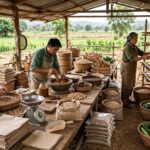
Processing agricultural products is another way to create value from farm produce.
Instead of selling every product in its raw form, you can explore simple processing activities that match your skills, budget, and local demand.
Examples include cleaning and packaging beans, drying suitable vegetables, or processing groundnuts into products such as groundnut paste.
The best option depends on the equipment you already have, the availability of raw materials, and the requirements for preparing and selling the finished product.
How to begin
Choose one product and research the processing steps, packaging requirements, and likely customers.
For instance, if you want to sell packaged beans, you could investigate sourcing, sorting, cleaning, appropriate food-grade packaging, and how to protect the product from moisture and pests.
Your ₦50,000 budget may cover a small trial batch if you already have access to basic equipment and suitable workspace.
However, equipment purchases, packaging materials, transport, and compliance requirements can increase your expenses.
Important safety considerations
Food products must be handled and stored hygienically. If you intend to sell packaged processed foods commercially in Nigeria, investigate the applicable registration, labelling, and food-safety requirements, including whether NAFDAC registration applies to your product.
Do not spend your entire budget on packaging before confirming that customers want the product and that you can meet the relevant requirements.
How to Choose the Best Agricultural Business for ₦50,000
Although all seven ideas offer potential opportunities, the best choice depends on your circumstances.
Before investing, consider these five factors:
1. Your available space: If you have a backyard, vegetable farming or seedling production may be worth exploring. If you have little space, produce trading may be more suitable.
2. Your experience: Choose a business you understand or can learn about before committing your money. Livestock and mushroom production require specific management skills.
3. Customer demand: Find out what people in your area buy regularly. A product is not automatically profitable simply because it is agricultural.
4. Operating expenses: Account for transportation, water, packaging, spoilage, maintenance, and other costs—not just the money required to start.
5. Time before income: Produce trading may generate sales sooner if you find buyers, while growing crops, raising snails, and cultivating mushrooms require different production periods.
Frequently Asked Questions
Can I start an agricultural business in Nigeria with ₦20,000?
Yes. Depending on your location and available resources, you could begin a small vegetable garden, raise a limited number of seedlings, or test a small produce-reselling business. Your existing space and equipment will affect what is practical.
Which agricultural business is suitable for beginners?
Backyard vegetable farming, seedling sales, and small-scale produce trading can be reasonable starting points for beginners. Choose an option that matches your resources and learn the basics before investing.
Is ₦50,000 enough to start poultry farming?
It may be insufficient for a conventional poultry operation once you account for housing, birds, feed, water equipment, medication, and other expenses. If you have limited capital, consider selling poultry supplies or investigating other small-scale agricultural opportunities first.
How can I find customers for my agricultural business?
Start with local markets, food vendors, restaurants, smallholder farmers, neighbours, and community groups. WhatsApp can also help you advertise products and receive orders. Confirm demand before buying stock or beginning production.
Final Thoughts
Starting an agricultural business in Nigeria does not always require a large farm or millions of naira. With careful planning, you can explore opportunities such as vegetable farming, seedling production, snail farming, produce trading, mushroom cultivation, farm-supply sales, and agricultural processing.
However, ₦50,000 is a starting budget, not a guarantee of profit. Prices vary across Nigeria, and some businesses may require more capital than you initially expect.
Start with one idea, research your local market, calculate your expenses, and look for customers before investing heavily.
Your first goal should not be to build a large agricultural company immediately. It should be to establish a small business that customers need, manage your money carefully, and reinvest when the numbers make sense.