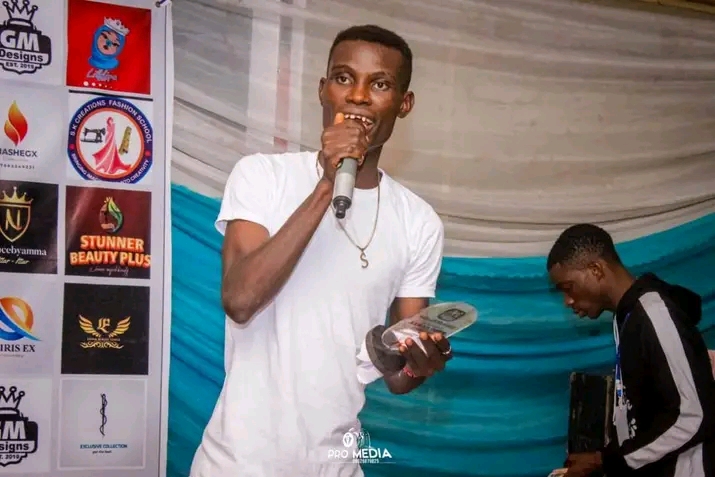
Veteran comedian and master of ceremonies Peter Ogbudu has drawn widespread attention after refusing to celebrate his birthday, saying he cannot rejoice while many Nigerians continue to face economic hardship and insecurity.
His statement quickly spread across social media, triggering debate about patriotism, responsibility, and the role of public figures in times of national difficulty.
Introduction: A Birthday Message That Changed the Conversation
Birthdays are usually moments of joy, celebration, and personal reflection. But for MC Gana, this year was different.
Instead of parties or entertainment, he chose to speak about Nigeria’s worsening economic conditions and insecurity challenges. His message struck a nerve, especially at a time when many citizens are struggling with rising costs of living.
The statement also indirectly placed attention on the leadership of President Bola Tinubu, as discussions around national hardship continue to dominate public discourse.
Why MC Gana Refused to Celebrate His Birthday
MC Gana’s decision was not just emotional—it was symbolic.
He explained that celebrating personally felt wrong when many Nigerians are battling daily survival challenges such as food inflation, unemployment, and insecurity.
Key reasons behind his decision:
- Rising cost of living affecting millions of households
- Economic pressure on ordinary citizens
- Ongoing security concerns in different regions
- Growing inequality between elites and everyday Nigerians
His message reflects a growing sentiment among entertainers and public figures who feel disconnected from celebration during national struggle.
Social Media Reactions: Mixed Opinions Across Nigeria
The comedian’s statement quickly became viral, with Nigerians reacting differently.
Supporters say:
- It shows empathy and national awareness
- Public figures should speak up more often
- It reflects the reality many Nigerians face daily
Critics argue:
- Personal celebration does not cancel national issues
- Entertainment figures should focus on solutions, not symbolic gestures
- Awareness alone is not enough without action
The debate highlights how emotionally charged Nigeria’s current socio-economic climate has become.
Entertainment Industry and Social Responsibility
MC Gana’s message raises a deeper question: What role should entertainers play in national issues?
In Nigeria, comedians, musicians, and influencers often shape public opinion. Their voices can:
- Raise awareness about social problems
- Influence public sentiment
- Push conversations into mainstream media
However, they also face criticism when their statements appear political or emotional rather than solution-driven.
Nigeria’s Current Reality: Why the Message Resonated
The reason MC Gana’s statement gained traction is simple—it reflects what many Nigerians are experiencing.
Common challenges include:
- Inflation affecting food and transportation
- Unemployment, especially among youth
- Security concerns in several regions
- Currency pressure impacting daily expenses
Because of these realities, his message felt relatable to many citizens rather than just symbolic.
Public Figures and Emotional Advocacy
MC Gana’s approach is part of a broader trend where public figures use personal moments to highlight societal issues.
This form of “emotional advocacy” can be powerful because it:
- Humanizes political and economic issues
- Sparks national conversations
- Encourages empathy among citizens
However, it also raises questions about balance between personal life and public responsibility.
Conclusion: A Birthday That Became a National Statement
What was meant to be a private celebration turned into a national conversation. MC Gana’s refusal to celebrate his birthday reflects a deeper frustration shared by many Nigerians.
Whether one agrees with him or not, his message has achieved one thing: it has forced attention back to the everyday struggles of ordinary citizens.