Introduction: A Burial Outfit That Sparked Conversation
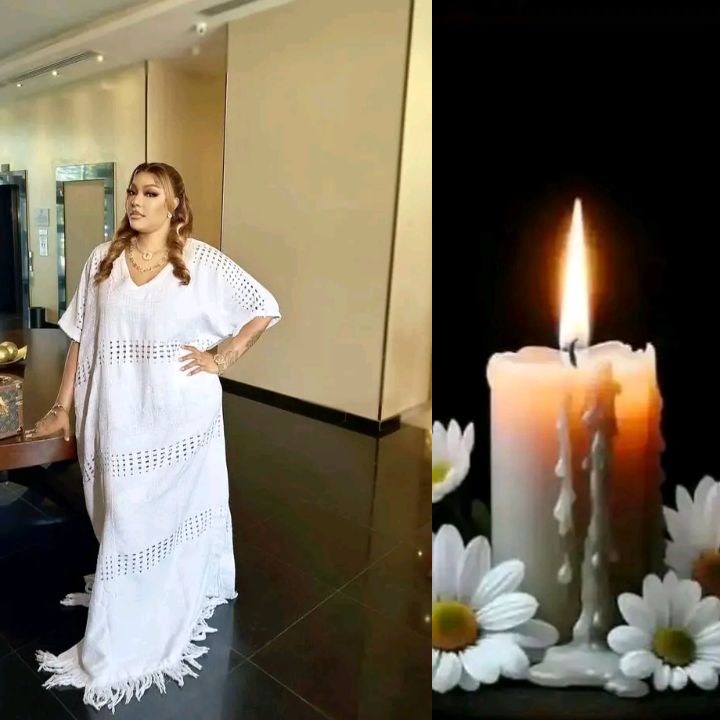
Nigerian actress and singer Angela Okorie recently stirred online conversations after revealing a personal tradition linked to burial ceremonies. According to her, she chose to burn the outfit she wore to the burial of fellow actor Alex Ekubo.
Her explanation was simple but surprising to many: she believes that clothes worn to a burial should not be kept but instead burned as part of a spiritual and emotional cleansing process.
This statement quickly gained attention on social media, sparking debates about culture, beliefs, and modern interpretations of traditional practices.
But what exactly does this belief mean, and why do some people still follow it today?
Understanding the Viral Statement
Angela Okorie shared that her decision was influenced by advice from a close family figure who believes burial clothes should not be reused or stored.
She explained:
- The outfit was specifically worn to a burial ceremony
- She felt it carried emotional and spiritual weight
- She decided to burn it afterward as a form of cleansing
While this may sound unusual to some, it reflects a deeper cultural mindset present in parts of society where symbolism plays a strong role in daily life.
Why Some People Burn Clothes After a Burial
The idea of burning clothes after attending a funeral is not entirely new. In several cultures, clothing used during emotionally intense or spiritually significant events is treated differently.
1. Emotional Separation
Many people associate burial ceremonies with grief and emotional heaviness. Burning the clothes is believed to:
- Help detach from sadness
- Prevent constant emotional reminders
- Symbolize closure
2. Spiritual Beliefs
In some traditions, clothes worn to funerals are thought to absorb “spiritual energy” from the environment. Burning them is seen as:
- A purification process
- A way to avoid carrying negative spiritual influence
- Protection from bad luck or spiritual attachment
3. Cultural Practices
Across different African communities, symbolic cleansing rituals exist. While not universally practiced, they often include:
- Washing or discarding burial clothes
- Avoiding reuse of funeral outfits
- Performing prayers or cleansing rites afterward
◾Nollywood Actor Okiki Adeshina Dies in Tragic Car Crash
Modern Reactions: Tradition vs. Practical Thinking
The public reaction to Angela Okorie’s statement has been mixed.
Supporters of the Tradition
Some agree with her actions, saying:
- It respects cultural beliefs
- It helps with emotional healing
- It avoids “bad memories” tied to clothing
Critics of the Practice
Others disagree, arguing:
- It is wasteful and unnecessary
- Clothes are just fabric, not spiritual objects
- Modern society should focus more on practicality than superstition
This debate reflects a broader tension between traditional beliefs and modern lifestyles in Nigeria and beyond.
Psychological Angle: Why Letting Go Matters
From a psychological perspective, rituals like discarding or burning items linked to grief can help people process loss.
Experts often note:
- Physical objects can trigger emotional memories
- Letting go of items can support emotional recovery
- Rituals give structure to grief and healing
Even without spiritual interpretation, the act can serve as a symbolic “reset” for the mind.
Celebrity Influence on Cultural Conversations
When public figures like Angela Okorie share personal beliefs, it often amplifies cultural discussions.
In this case:
- Fans began questioning their own burial traditions
- Social media users debated cultural authenticity
- The topic spread beyond entertainment news into lifestyle conversations
Celebrities often unintentionally become cultural influencers, shaping how traditions are viewed by younger audiences.
Should You Burn Clothes After a Burial?
There is no universal rule or requirement. It depends on:
- Personal belief system
- Cultural background
- Emotional attachment to the event
- Practical considerations
Alternative Approaches People Use
Instead of burning, some people choose to:
- Wash and store the clothes
- Donate them
- Reuse them for other events
- Dispose of them respectfully
Each approach reflects personal comfort and belief rather than strict rules.
Key Takeaways From Angela Okorie’s Revelation
She chose to burn the outfit she wore to a burial based on belief and advice
The practice reflects cultural and emotional symbolism, not a universal rule
Reactions online show a divide between tradition and modern thinking
Such rituals can also serve psychological purposes for grief processing.
◾Nollywood in Mourning as Patrick Okoye “Energy” Passes Away Unexpectedly
Conclusion
The statement from Angela Okorie about burning her burial outfit highlights how personal beliefs and cultural traditions still shape modern behavior. While some see it as symbolic cleansing, others view it as unnecessary, showing how diverse perspectives can be on the same practice.
Ultimately, whether one chooses to keep or discard burial clothing remains a personal decision shaped by culture, emotion, and belief.